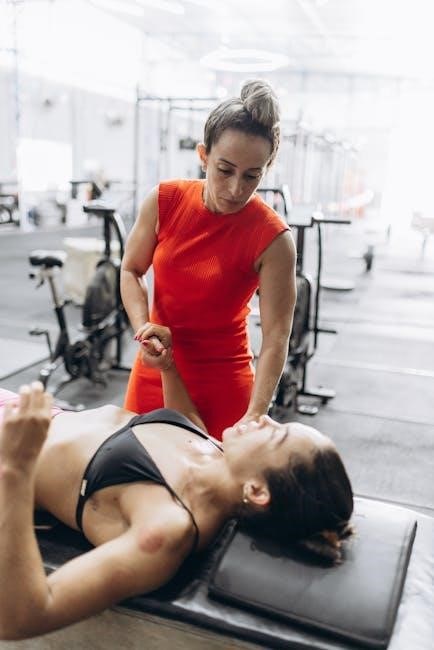
Shoulder Dislocation Rehabilitation Protocol
A comprehensive shoulder dislocation rehabilitation protocol, often available as a shoulder dislocation rehabilitation protocol pdf, is vital post-surgery.
Postoperative care significantly impacts successful recovery from anterior shoulder instability, requiring a phased approach.
Shoulder dislocation, a common injury, particularly among athletes, involves the displacement of the humerus from the glenoid fossa. Effective management extends beyond initial reduction; a structured rehabilitation protocol is paramount for restoring optimal shoulder function and minimizing the risk of recurrent instability. This protocol, frequently documented in a shoulder dislocation rehabilitation protocol pdf, guides patients and clinicians through a progressive series of exercises and interventions.
Rehabilitation aims to address several key components: pain and inflammation control, restoration of range of motion, strengthening of the surrounding musculature – notably the rotator cuff and scapular stabilizers – and enhancement of proprioception (the body’s awareness of its position in space). A successful outcome relies on adherence to the prescribed program and a gradual return to activity. Ignoring proper rehabilitation can lead to chronic instability, persistent pain, and limited functional capacity.
The duration of rehabilitation varies depending on the severity of the injury, whether it’s a first-time dislocation or a recurrent event, and the presence of any associated complications. Understanding the phases of rehabilitation – typically categorized into immobilization/early motion, strengthening/proprioception, and return to activity – is crucial for both patient expectations and treatment progression. A detailed shoulder dislocation rehabilitation protocol pdf will outline these phases and specific exercises for each stage.
II. Understanding Shoulder Instability
Shoulder instability encompasses a spectrum of conditions where the glenohumeral joint exhibits a tendency to subluxate (partially dislocate) or dislocate. This instability arises from a combination of factors, including structural abnormalities, muscular imbalances, and neurological deficits. A comprehensive shoulder dislocation rehabilitation protocol pdf emphasizes addressing these underlying causes, not just the immediate dislocation event.
The shoulder’s inherent instability is due to its design – a ball-and-socket joint with a relatively shallow socket (glenoid). Ligaments and muscles play a critical role in providing dynamic and static stability. Injury to these structures, often during a dislocation, can compromise the joint’s ability to remain centered. Recurrent instability often develops when the initial injury isn’t adequately addressed through appropriate rehabilitation.

Understanding the specific type of instability – anterior, posterior, inferior, or multidirectional – is crucial for tailoring the rehabilitation program. A detailed assessment, often outlined within a shoulder dislocation rehabilitation protocol pdf, helps identify the contributing factors and guides exercise selection. The goal is to restore neuromuscular control, improve joint proprioception, and strengthen the stabilizing muscles to prevent future dislocations and enhance overall shoulder function.
III. Types of Shoulder Dislocations
Shoulder dislocations are categorized based on the direction the humeral head (ball) displaces relative to the glenoid (socket). Anterior dislocations, where the head moves forward, are the most common, accounting for over 95% of cases. Understanding the specific type is paramount when referencing a shoulder dislocation rehabilitation protocol pdf, as rehabilitation strategies differ.
Posterior dislocations, less frequent, involve the humeral head moving backward. These often result from direct trauma, such as a fall onto an outstretched arm or an electric shock. Inferior dislocations, also rare, occur when the humeral head moves downward. Each dislocation type presents unique challenges to stability and requires a tailored approach.
A shoulder dislocation rehabilitation protocol pdf will detail how each type impacts specific ligaments and muscles. Anterior dislocations frequently injure the anterior capsule and labrum. Rehabilitation focuses on restoring these structures’ integrity. The protocol will also address associated nerve and vascular injuries, if present. Accurate diagnosis and classification are essential for implementing an effective and safe rehabilitation program, minimizing the risk of recurrent instability and optimizing functional outcomes.
IV. Pre-Rehabilitation Assessment
A thorough pre-rehabilitation assessment is crucial before initiating any program, even when following a detailed shoulder dislocation rehabilitation protocol pdf. This evaluation identifies impairments and guides individualized treatment planning. It begins with a comprehensive history, detailing the mechanism of injury, previous dislocations, and current symptoms.
Physical examination assesses range of motion, strength, and stability. Specific tests, like the apprehension and relocation tests, evaluate anterior instability. Neurological examination checks for nerve involvement. A shoulder dislocation rehabilitation protocol pdf emphasizes the importance of documenting baseline measurements.
Pain levels are quantified using scales, and functional limitations are assessed through activities of daily living. Imaging studies, such as X-rays and MRI, confirm the diagnosis and identify associated injuries like labral tears or fractures. This assessment informs goal setting and helps predict rehabilitation progress. Understanding pre-existing conditions and patient expectations is vital for a successful outcome, ensuring the protocol is adapted appropriately for optimal recovery.
V. Pain Management Strategies (Phase 1)
Effective pain management is paramount during Phase 1, often detailed within a shoulder dislocation rehabilitation protocol pdf. Initial strategies focus on controlling acute pain and inflammation following the injury or surgery. These typically include the RICE protocol – Rest, Ice, Compression, and Elevation – applied consistently.

Pharmacological interventions, prescribed by a physician, may involve analgesics and anti-inflammatory medications. Gentle pendulum exercises, initiated early, can help reduce pain and prevent stiffness, as outlined in many shoulder dislocation rehabilitation protocol pdf guides.
Modalities like cryotherapy (ice packs) and transcutaneous electrical nerve stimulation (TENS) can provide additional pain relief. Patient education regarding pain expectations and proper medication use is crucial. Maintaining a comfortable pain level allows for early participation in rehabilitation exercises. A progressive approach, gradually increasing activity as pain subsides, is key to avoiding setbacks and promoting optimal healing during this initial phase.
VI. Phase 1: Immobilization & Early Motion (Weeks 0-6)
Phase 1, comprehensively detailed in a shoulder dislocation rehabilitation protocol pdf, centers on protecting the healing tissues and initiating gentle mobility. Typically, this involves a period of immobilization, often with a sling, for 2-6 weeks, depending on the severity of the injury or surgical repair. The sling minimizes stress on the shoulder joint and allows initial inflammation to subside.
Early motion exercises, as prescribed in a shoulder dislocation rehabilitation protocol pdf, are crucial to prevent stiffness. These include pendulum exercises and passive range of motion (PROM) performed by a therapist. The focus is on regaining pain-free movement without stressing the repaired structures;
Scapular setting exercises are also introduced to promote proper shoulder blade mechanics. Strict adherence to weight-bearing restrictions and activity modifications is essential during this phase. Regular monitoring by a physical therapist ensures appropriate progression and prevents complications. The goal is to establish a foundation for more advanced rehabilitation in subsequent phases.
VII. Range of Motion Exercises (Phase 1)
A detailed shoulder dislocation rehabilitation protocol pdf outlines specific range of motion (ROM) exercises for Phase 1, prioritizing gentle, pain-free movements. Pendulum exercises are foundational, utilizing the body’s weight to initiate circular motions, promoting early mobilization without active muscle contraction. These are typically performed several times a day.
Passive Range of Motion (PROM) exercises, guided by a therapist, are also key. The therapist gently moves the arm through its available range, preventing stiffness and maintaining joint lubrication. External rotation PROM is often limited initially to protect the healing anterior capsule, as detailed in a shoulder dislocation rehabilitation protocol pdf.
Codman’s exercises, a variation of pendulum exercises, are frequently incorporated. Internal and external rotation PROM are gradually introduced as tolerated. It’s crucial to avoid forceful movements or pushing through pain. The emphasis remains on restoring basic shoulder mobility and preparing for active ROM exercises in Phase 2, guided by the protocol.
VIII. Scapular Stabilization Exercises (Phase 1)
A comprehensive shoulder dislocation rehabilitation protocol pdf emphasizes the critical role of scapular stabilization in early recovery. These exercises focus on activating and strengthening the muscles that control scapular movement, providing a stable base for shoulder function; Initial exercises are typically isometric, meaning they involve muscle contraction without joint movement.
Scapular retractions, protractions, upward and downward rotations are performed in a pain-free range. These can be done seated or lying down. The goal is to improve neuromuscular control and awareness of scapular position. A shoulder dislocation rehabilitation protocol pdf often includes instructions on proper form to avoid compensatory movements.
Low-load exercises like scapular squeezes, where the shoulder blades are gently brought together, are also common. These exercises help to improve endurance and prepare the muscles for more demanding activities in later phases. Maintaining proper posture is also stressed, as it directly impacts scapular stability. Consistent performance of these exercises, as outlined in the protocol, is vital for long-term shoulder health.
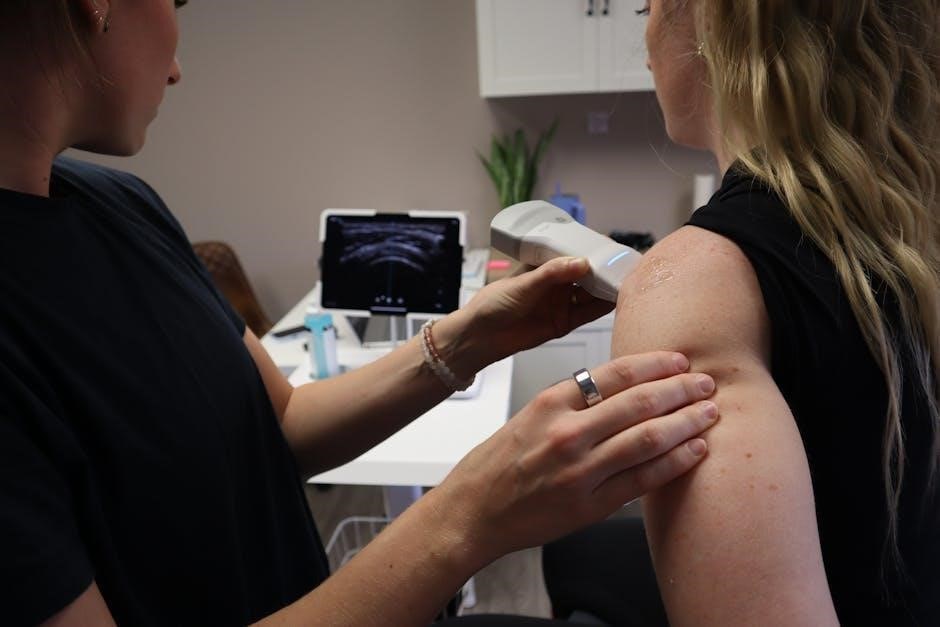
IX. Phase 2: Strengthening & Proprioception (Weeks 6-12)
Transitioning into Phase 2, as detailed in a shoulder dislocation rehabilitation protocol pdf, focuses on restoring strength and enhancing proprioception – the body’s awareness of its position in space. This phase typically begins around 6-12 weeks post-injury or surgery, contingent on individual progress and pain levels.

Strengthening exercises progress from isometric to isotonic (involving joint movement) and then to resisted exercises. Emphasis is placed on the rotator cuff muscles, deltoids, and scapular stabilizers. Proprioceptive training is introduced to improve joint position sense and dynamic stability. Exercises like wobble board activities and perturbations are utilized.
A shoulder dislocation rehabilitation protocol pdf will outline specific exercises, sets, and repetitions. Gradual increases in resistance are crucial to avoid re-injury. The goal is to rebuild muscle strength and endurance, enabling the shoulder to withstand increasing loads and stresses. Proper form and controlled movements remain paramount throughout this phase, ensuring effective and safe rehabilitation.
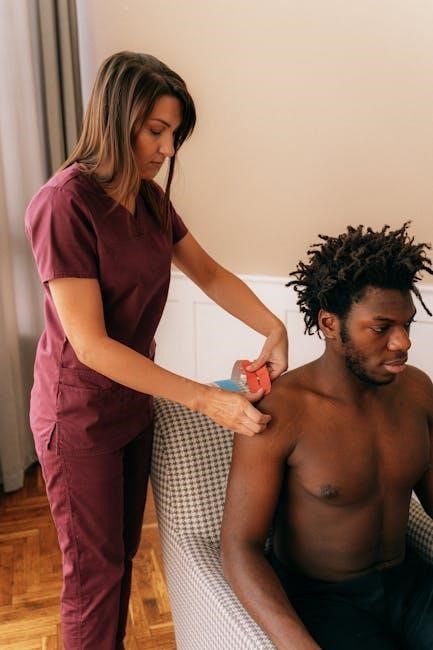
X. Rotator Cuff Strengthening (Phase 2)
Rotator cuff strengthening, a cornerstone of Phase 2 – as detailed in a shoulder dislocation rehabilitation protocol pdf – is essential for shoulder stability and function. This phase, typically occurring between weeks 6-12, builds upon the foundation laid in Phase 1, progressively increasing the demands on these crucial muscles.
Exercises begin with light resistance using resistance bands or dumbbells, focusing on external rotation, internal rotation, abduction, and scaption. Proper form is paramount to isolate the rotator cuff muscles and prevent compensatory movements. Sets and repetitions are gradually increased as strength improves.
A comprehensive shoulder dislocation rehabilitation protocol pdf will specify exercise progressions. For example, side-lying external rotation progresses to standing external rotation with increased resistance. The goal is to restore full rotator cuff strength and endurance, enabling the shoulder to control movement and resist dislocation forces. Pain should be monitored closely, and exercises modified accordingly.
XI. Deltoid Strengthening (Phase 2)
Deltoid strengthening, a critical component of Phase 2 rehabilitation – often outlined in a shoulder dislocation rehabilitation protocol pdf – focuses on restoring strength and power to the shoulder’s primary mover. This phase, spanning weeks 6-12, complements rotator cuff exercises, enhancing overall shoulder function and stability.
Exercises typically begin with light resistance, utilizing resistance bands or dumbbells. Front raises, side raises, and bent-over rows are commonly prescribed, targeting the anterior, medial, and posterior deltoid fibers respectively. Emphasis is placed on controlled movements and proper form to avoid compensatory patterns.
A detailed shoulder dislocation rehabilitation protocol pdf will provide specific progression guidelines. For instance, exercises may start with limited range of motion and gradually increase as strength improves. The goal is to achieve balanced deltoid strength, enabling efficient shoulder movement and contributing to dynamic stability. Monitoring for pain and adjusting exercise parameters are crucial throughout this phase.
XII. Proprioceptive Exercises (Phase 2)
Proprioceptive training, detailed within a shoulder dislocation rehabilitation protocol pdf, is paramount in Phase 2 (weeks 6-12) to regain neuromuscular control and prevent re-injury. Following a shoulder dislocation, the body’s awareness of joint position – proprioception – is often impaired, increasing instability risk.
Exercises focus on challenging the shoulder’s ability to sense its position in space without relying on visual cues. Examples include closed-chain exercises like wall slides with perturbations, and weight shifts while maintaining shoulder stability. Utilizing unstable surfaces, such as wobble boards or foam pads, further enhances proprioceptive challenge.
A comprehensive shoulder dislocation rehabilitation protocol pdf will outline a progressive approach. Initially, exercises are performed with minimal external resistance, gradually increasing the difficulty as the patient improves. The aim is to restore the shoulder’s natural protective mechanisms, enabling it to react quickly and effectively to unexpected forces, ultimately reducing the likelihood of recurrent dislocations.
XIII. Phase 3: Return to Activity (Weeks 12-16+)
Phase 3, as detailed in a shoulder dislocation rehabilitation protocol pdf, marks the transition towards full functional recovery and return to desired activities (typically weeks 12-16+). This phase prioritizes building endurance, power, and replicating movements specific to the individual’s lifestyle or sport.
The progression is gradual and symptom-guided. Initially, low-impact activities are introduced, carefully monitoring for any signs of pain or instability. As strength and control improve, the intensity and complexity of exercises increase. A key component involves functional exercises that mimic real-life scenarios, such as lifting, reaching, and throwing.
A well-structured shoulder dislocation rehabilitation protocol pdf will emphasize a return-to-sport progression, if applicable. This includes sport-specific drills, gradually increasing the demands placed on the shoulder. Throughout Phase 3, continued attention to proper mechanics and neuromuscular control is crucial to minimize the risk of re-dislocation and ensure a sustainable return to activity.
XIV. Functional Exercises (Phase 3)
Functional exercises, as outlined in a shoulder dislocation rehabilitation protocol pdf, are paramount in Phase 3, bridging the gap between controlled rehabilitation and real-world demands. These movements focus on integrating strength, stability, and coordination to perform everyday tasks and sport-specific actions.
Examples include wood chops, medicine ball throws (various angles and distances), reaching activities simulating overhead tasks, and simulated lifting motions. The goal is to challenge the shoulder in dynamic, multi-planar movements, replicating the stresses it will encounter during functional activities.
A comprehensive shoulder dislocation rehabilitation protocol pdf will detail progressive criteria for advancing these exercises. This often involves increasing resistance, speed, or complexity as the patient demonstrates improved control and minimal pain. Emphasis is placed on maintaining proper form throughout each exercise to avoid compensatory patterns and maximize effectiveness. These exercises are crucial for restoring confidence and preparing the shoulder for a return to full activity.
XV. Sport-Specific Training (Phase 3)
Sport-specific training, detailed within a shoulder dislocation rehabilitation protocol pdf, represents the final stage of rehabilitation, tailoring exercises to the individual’s athletic demands. This phase aims to replicate the movements, forces, and energy systems utilized in their chosen sport, ensuring a safe and effective return to play.
For overhead athletes (baseball, volleyball, tennis), this may involve progressive throwing drills, serving motions, or overhead reaching activities. Contact sport athletes (football, hockey) will focus on exercises simulating tackling, checking, or collision scenarios. A well-structured shoulder dislocation rehabilitation protocol pdf will emphasize gradual exposure to these demands.
Criteria for progression are crucial, often based on pain levels, range of motion, strength testing, and functional assessments. Plyometric exercises, agility drills, and sport-specific conditioning are incorporated to enhance power, speed, and endurance. The ultimate goal is to restore the athlete’s confidence and ability to perform at their pre-injury level, minimizing the risk of re-dislocation.

XVI. Arthroscopic Shoulder Stabilization Surgery (ASSS) Rehabilitation
Rehabilitation following Arthroscopic Shoulder Stabilization Surgery (ASSS), often guided by a detailed shoulder dislocation rehabilitation protocol pdf, is a carefully orchestrated process. It’s crucial for restoring shoulder stability and function after addressing structural issues contributing to recurrent dislocations. The protocol is typically divided into phases, each with specific goals and exercises.
Post-ASSS rehabilitation prioritizes protecting the repaired tissues while gradually restoring range of motion and strength. Initial phases (Weeks 0-6) focus on immobilization, pain management, and gentle passive range of motion. A comprehensive shoulder dislocation rehabilitation protocol pdf will outline specific sling usage guidelines and activity restrictions.
Subsequent phases (Weeks 6-12+) progressively introduce active range of motion, rotator cuff strengthening, and proprioceptive exercises. The timeline for progression is individualized, based on factors like surgical technique, tissue quality, and patient compliance. The ultimate aim is a full return to pre-injury activity levels, achieved through adherence to the prescribed rehabilitation program.
XVII. Post-ASSS Specific Considerations (Weeks 0-6)
The initial 6 weeks post-Arthroscopic Shoulder Stabilization Surgery (ASSS), detailed in a shoulder dislocation rehabilitation protocol pdf, are critical for successful healing. Strict adherence to precautions is paramount to protect the repaired tissues. This phase emphasizes immobilization, typically with a sling worn consistently, even during sleep, for the prescribed duration.
Pain and swelling management are key priorities. Ice application, elevation, and prescribed pain medication are essential components. Gentle pendulum exercises and passive range of motion (PROM) are initiated cautiously, guided by a physical therapist and outlined in the shoulder dislocation rehabilitation protocol pdf. The focus is on preventing stiffness without stressing the repair.
Scapular setting exercises are introduced to maintain neuromuscular control. Active participation in the rehabilitation program, coupled with diligent adherence to activity restrictions – avoiding lifting, reaching, and external rotation – significantly impacts the long-term outcome. Regular follow-up appointments with the surgeon are crucial to monitor progress.
XVIII. Post-ASSS Strengthening (Weeks 6-12)
Building strength after Arthroscopic Shoulder Stabilization Surgery (ASSS), as detailed in a shoulder dislocation rehabilitation protocol pdf, begins around week 6, contingent on adequate healing. This phase transitions from protecting the repair to progressively loading the shoulder joint.
Initial strengthening focuses on the rotator cuff muscles – supraspinatus, infraspinatus, teres minor, and subscapularis – using light resistance bands and isometric exercises. Scapular stabilization exercises are intensified to improve dynamic control. The shoulder dislocation rehabilitation protocol pdf will outline specific progression criteria.
Deltoid strengthening is gradually incorporated, starting with anterior and middle deltoid exercises, avoiding excessive external rotation. Proprioceptive exercises, challenging balance and joint position sense, are crucial for restoring neuromuscular control. Pain monitoring is vital; any increase in pain signals a need to modify the exercise program. Continued adherence to precautions, though lessened, remains important. The goal is to achieve functional strength and prepare for the final phase of rehabilitation.
XIX. Complications & Red Flags
While shoulder dislocation rehabilitation generally progresses smoothly, potential complications exist, often detailed within a shoulder dislocation rehabilitation protocol pdf. Recognizing red flags is crucial for timely intervention and preventing setbacks.
Persistent pain, despite adherence to the rehabilitation program, warrants investigation. Signs of infection – increased redness, swelling, warmth, or drainage from incision sites – require immediate medical attention. Nerve injuries, manifesting as numbness, tingling, or weakness in the arm or hand, should be reported promptly.
Stiffness, limiting range of motion, can develop if rehabilitation is not diligently followed. Recurrent instability, feeling of the shoulder giving way, is a serious concern. A shoulder dislocation rehabilitation protocol pdf emphasizes the importance of reporting any concerning symptoms. Adhering to weight-bearing restrictions and avoiding provocative movements is vital. Promptly addressing complications optimizes recovery and minimizes long-term issues. Careful monitoring and open communication with the healthcare team are paramount throughout the rehabilitation process.
XX. Preventing Re-Dislocation
A cornerstone of successful shoulder rehabilitation, outlined in a shoulder dislocation rehabilitation protocol pdf, is preventing future dislocations. This involves a multifaceted approach focusing on restoring strength, stability, and proprioception – the body’s awareness of its position in space.
Consistent adherence to the prescribed exercise program is paramount. Strengthening the rotator cuff muscles, scapular stabilizers, and deltoids provides dynamic support to the shoulder joint. Proprioceptive exercises retrain the neuromuscular system to react effectively to unexpected forces, reducing the risk of re-injury.
Activity modification is crucial, particularly during the initial return to sport. Avoiding extreme ranges of motion and high-impact activities minimizes stress on the healing tissues. A shoulder dislocation rehabilitation protocol pdf will detail a gradual progression of activity levels. Proper warm-up and cool-down routines are essential. Maintaining optimal shoulder mechanics and addressing any underlying biomechanical imbalances further reduces the likelihood of re-dislocation, ensuring long-term shoulder health.

XXI. Long-Term Maintenance & Exercise
Sustained shoulder health following a dislocation requires a commitment to long-term maintenance, often detailed within a shoulder dislocation rehabilitation protocol pdf. This isn’t simply about returning to pre-injury function; it’s about proactively preventing future instability.
A consistent home exercise program, incorporating rotator cuff and scapular strengthening, should become a lifelong habit. Regular stretching maintains range of motion and flexibility. Proprioceptive drills, even at a lower intensity, continue to refine neuromuscular control.
Periodically reviewing and potentially modifying the exercise routine, guided by a physical therapist, is advisable. Awareness of proper shoulder mechanics during daily activities and sports is vital. A shoulder dislocation rehabilitation protocol pdf often includes guidelines for activity-specific modifications. Listen to your body, and address any early signs of discomfort promptly. This proactive approach ensures lasting shoulder stability and minimizes the risk of recurrent dislocations, promoting a pain-free and active lifestyle.
XXII. Resources & Further Information (PDF Downloads)
Accessing comprehensive resources is crucial for successful shoulder rehabilitation. Numerous organizations and healthcare providers offer valuable information, often available as a shoulder dislocation rehabilitation protocol pdf for convenient download and reference.
The American Academy of Orthopaedic Surgeons (AAOS) provides detailed patient education materials, including rehabilitation guidelines. Several hospital systems and sports medicine clinics also publish their specific protocols online. Searching for “shoulder rehabilitation protocol pdf” will yield a variety of options, but ensure the source is reputable.
Physical therapy associations frequently offer downloadable exercise guides and informational sheets. Remember to discuss any downloaded protocol with your physical therapist or surgeon to ensure it aligns with your individual needs and surgical approach. A well-structured shoulder dislocation rehabilitation protocol pdf should include detailed exercise descriptions, progression criteria, and potential warning signs. Utilizing these resources empowers patients to actively participate in their recovery journey and optimize long-term shoulder health.